This program explores how unconscious biases impact social workers' decisions and interactions with clients. Participants will learn to identify their own biases and develop strategies to deliver ethical care to clients from diverse backgrounds.
| Series | Ethics and Boundaries |
|---|---|
| Next Session | Feb. 19, 2027 | 8:30 a.m. to 12:30 p.m. |
| Related Programs |
Recognizing Cognitive Bias
Emotions impact the decisions we make including the ‘good,’ the ‘bad,’ and the ‘ugly’ influencers residing in the deep areas of our mind: heuristics. We claim not to be biased individuals but in reality, our underlying thoughts and emotions stem from preconceptions and lived experience. We will take a deep dive into the cognitive biases that subconsciously impact and potentially blind your decision-making capabilities in your role as a helper. We will examine how these biases influence your personal relationships, judgments of others, and everyday interactions with peers and clients.
Learning Objectives:
- Gain an understanding of heuristics.
- Explore and interpret personal cognitive biases that affect decision-making.
- Examine personal biases and the role of power to improve self-awareness in a helping role.
- Develop and enhance interventions with clients from differing identities and cultures than oneself, through a critical-self bias review lens.
- Recognize ethical dilemmas faced by bias and implement an ethical decision-making model to process and improve future social work practice.
This program meets Wisconsin Ethics and Boundaries continuing education requirements for human service professionals.
Who should attend
Human service professionals such as social workers, professional counselors, therapists, and psychologists.
Instructors
-
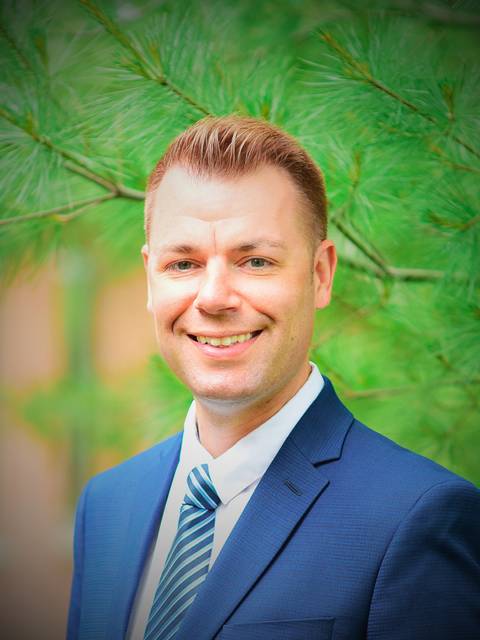
Dana Johnson from Wisconsin is a career social worker (Licensed MSW), practicing in senior level management in state government, county human services, an educator in higher education, and operating a consulting and professional development firm. His experience includes child welfare practice, policy, and reform; transformational organizational leadership and culture change, supervision of teams, continuous quality improvement, ethics and boundaries theory, and dynamic equity, diversity, and inclusion efforts across micro, mezzo, and macro systems.