Invest in your well-being—and better patient care. This interactive training helps healthcare professionals spot burnout and compassion fatigue, complete self-assessments, and build a personalized self-care plan to stay resilient and effective.
| Next Session | July 15, 2026 | 8:30 a.m. to 12:30 p.m. |
|---|
Prioritizing Self-Care in Health Care Practice
This program focuses on the importance of self-care and the prevention of compassion fatigue and burnout for healthcare professionals. It is essential for healthcare professionals to consider their self-care practices, not only as new professionals but all along one's professional journey.
Reducing the risk to patients and errors in care is essential in all areas of medicine. This course will identify symptoms to watch for in relation to stress, compassion fatigue, and burnout. You will have the opportunity to complete self-assessments prior to the course – these assessments and self-care practices will be discussed and guidance will be provided to develop individualized self-care plans that match your own needs. The role of a healthcare manager or leader in reducing burnout, supporting your team, and modeling self-care will also be discussed.
Learning Objectives:
- Examine the importance of self-care practices and professional well-being for the sake of the healthcare professional and patients.
- Recognize the signs, symptoms, and impact that stress, compassion fatigue, and burnout may have on personal and professional functioning.
- Explore self-assessments to identify areas of stress, compassion fatigue, burnout, as well as self-care strategies.
- Develop a self-care plan in response to self-assessments and best practices for medical professionals.
- Explore case scenarios related to stress, compassion fatigue, burnout, and self-care in a variety of healthcare professions and roles

Who should attend
This training is designed for healthcare professionals across roles, including administrators, nurses, physicians, physician assistants, EMTs, physical and occupational therapists, and others who provide direct patient care or patient support.
Instructors
-
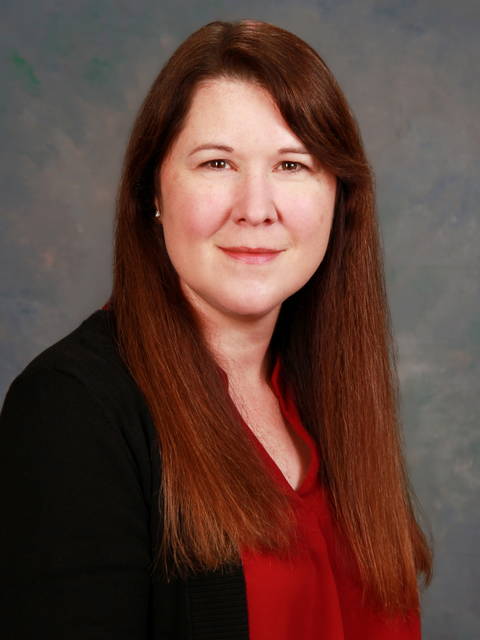
Dr. Amy Evans is the Program Director and Professor in the M.A. in Counseling program at Bethel University. Dr. Evans completed her undergraduate degree in psychology at Northwestern College in Minnesota, a master's degree in counseling at the University of Wisconsin-Platteville and a Ph.D. in Counseling Psychology at the University of Wisconsin-Madison. Amy is a Licensed Professional Counselor (WI) and a Licensed Professional Clinical Counselor (MN) as well as an NBCC Approved Clinical Supervisor.
-
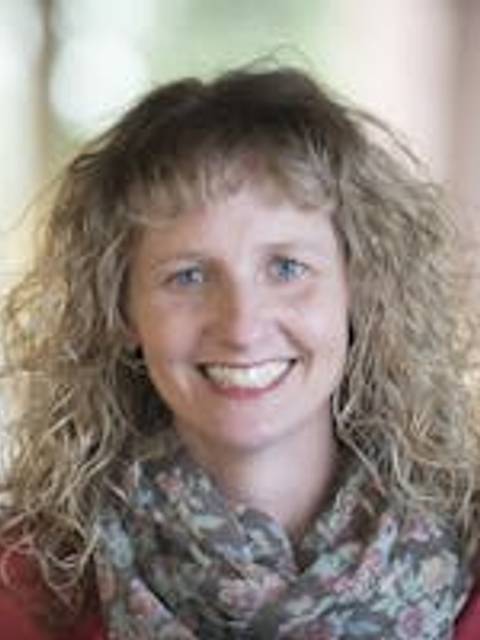
Dr. Jennifer Koenig Nelson earned her bachelor's degree in psychology at Northwestern College, her master's at Northern Illinois University, and her doctorate at Purdue University in Applied Child and Family Studies with a Specialization in Marriage and Family Therapy. Before coming to Bethel, Jennifer served as Clinical Director/Clinical Training Coordinator at Friends University and a marriage and family therapist in private practice. She is currently the Clinical Director of Bethel University's M.A. Counseling program. Jennifer is a Licensed Marriage and Family Therapist (MN) and an AAMFT Approved Supervisor.
-
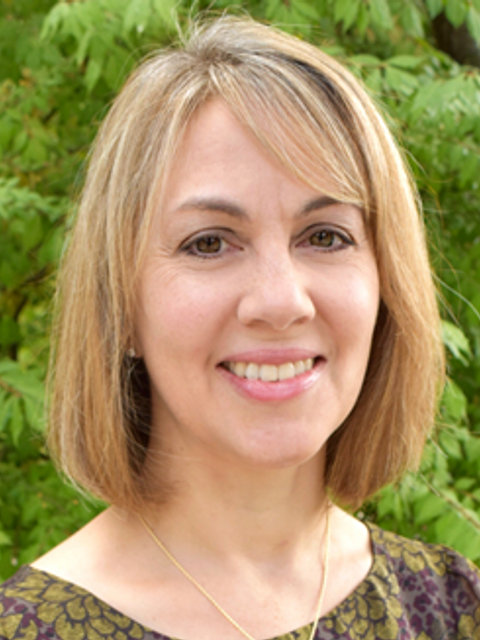
Dr. Deanna Towns earned her bachelor's degree in social work from the University of Georgia, her master's in Marriage and Family Therapy from Liberty University in Virginia, and her doctorate in Counselor Education and Supervision at Regent University in Virginia. Prior to joining the Bethel community, Deanna worked as an adjunct professor at Regent University and as a clinical mental health counselor in private practice. She is involved in educating students and supervisors cross-culturally and establishing the profession of counseling in Eastern Europe. Deanna is a Licensed Professional Clinical Counselor (MN) as well as an NBCC Approved Clinical Supervisor.