Ethics and Boundaries: Understanding Multi-Generational Differences: Ethical and Boundary Considerations in the 21st Century

This training equips human service professionals with the knowledge and skills to navigate generational differences, enhance communication, and support effective interactions with clients and colleagues across all age groups.

Key Program Information
Series Ethics and Boundaries
Next Session Oct. 23, 2026 | 8:30 a.m. to 12:30 p.m.
Related Programs

Navigating Multigenerational Clients and Teams

Human service professionals today work with the widest range of generations in history — from the Silent Generation to Gen Z. This course helps you understand why you may sense generational friction and how differing values, communication styles, and expectations shape both client relationships and team dynamics. Through practical examples and ethical reflection, the training explores how generational diversity can strengthen service delivery while offering strategies to navigate conflict, maintain boundaries, and build more respectful, effective multigenerational interactions.

Learning Objectives

  • Gain an understanding of the differences and similarities of the 5 generations working on teams in the 21st century.
  • Recognize and explore communication and behavioral patterns that can be useful to resolve conflict, motivate others, and give you the power to be effective in teaming.
  • Explore and consider ethical challenges and boundaries that could be impacted by multi-generational communication, behavior patterns, and the role of the helping professional to alleviate ethical challenges.
  • Demonstrate understanding of the Code of Ethics and Code of Conduct (MPSW 20), ethical principles, and boundaries applied to specific ethical dilemmas when confronting challenges by co-workers, clients, and organizations utilizing the Nine Step Ethical Decision-Making Model.

This program meets Wisconsin Ethics and Boundaries continuing education requirements for human service professionals.

Who should attend

Human service professionals such as social workers, professional counselors, therapists, and psychologists.

Instructors

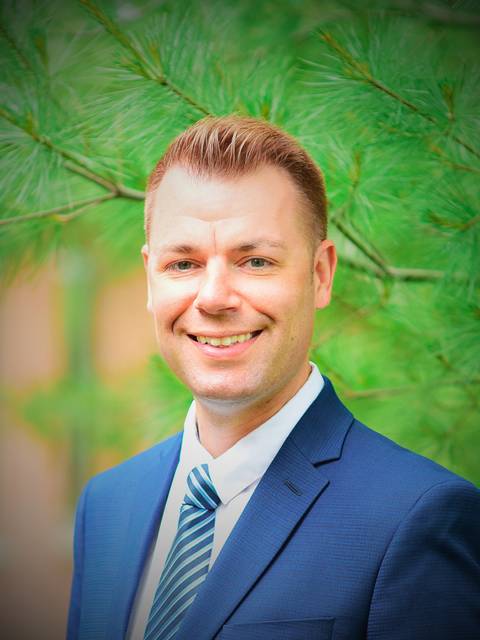
  • Man stands in front of a green tree. He is smiling and wearing a blue suit with a striped tie, and is slightly more in-focus than the tree behind him.

    Dana Johnson from Wisconsin is a career social worker (Licensed MSW), practicing in senior level management in state government, county human services, an educator in higher education, and operating a consulting and professional development firm. His experience includes child welfare practice, policy, and reform; transformational organizational leadership and culture change, supervision of teams, continuous quality improvement, ethics and boundaries theory, and dynamic equity, diversity, and inclusion efforts across micro, mezzo, and macro systems.

CEU Information

Participants will earn 4 Contact Hours upon completion of this program.

Additional CEU Information by Profession: 

Wisconsin Social Workers

Our programs qualify as continuing education offered by an accredited university. The State Board recognizes contact hours for all listed programs.

Wisconsin Substance Abuse Counselors

The Wisconsin Department of Safety and Professional Services approves contact hours for programs consisting of relevant content taught by qualified presenters. Contact our office with questions about specific program approvals.

Wisconsin Licensed Marriage and Family Therapists

Our programs qualify as required continuing education offered by an accredited university. The State Board recognizes contact hours for all programs.

Wisconsin Licensed Counselors

Our programs qualify as required continuing education offered by an accredited university. The State Board recognizes contact hours for all programs.

Wisconsin Educators and School Psychologists

Continuing education programs from the University of Wisconsin campuses may qualify toward your Professional Development Plan (PDP).

Other Professions

Contact your professional board or organization for specific continuing education requirements.

Disability Accommodations

UW-Eau Claire Continuing Education encourages individuals with disabilities or other special needs to participate in our programs whenever possible. If you require a reasonable accommodation, please notify us at least two weeks in advance of the program so that appropriate arrangements can be made. Contact Continuing Education at 715-836-3636 / toll-free 866-893-2423, or use the Wisconsin Relay System (711). All requests are kept confidential.

An EEO/Affirmative Action employer, University of Wisconsin provides equal opportunities in employment and programming, including Title IX and ADA requirements.

Cancellation Policy

We understand life happens. Should you need to cancel your registration, you may substitute someone to take your place, at any time, at no cost to you. If we cancel a program, we’ll give you your money back.

If your program is 14 or more days away:
You may transfer once to any currently available program – no charge!
If you have to cancel, you will receive a refund, minus a 20% administrative fee.

If your program is less than 14 days away:
You may transfer once to any currently available program, plus a 20% transfer fee.
If you cancel, you will not receive a refund.

If you are registered and do not attend the program, you are responsible for the full fee.

Substitution, refund or transfer requests must be submitted via email or phone call to UW-Eau Claire Continuing Education.

Register Online Register by Phone

Details

Delivery format:
Online

Final registration deadline:

Additional Information

This course will be held on Friday, October 23, 2026 from 8:30 a.m. - 12:30 p.m.

Fee

Standard fee:
$109.00

Fee includes online interactive instruction and digital materials